
Porcelain vs Ceramic Tile: Which Is Right for Your Home
Porcelain vs Ceramic Tile: Which Is Right for Your Home
When homeowners begin planning a tile project, one of the first decisions they face is choosing between porcelain and ceramic tile. On the surface, they look similar and are both made from clay and fired at high temperatures. But the differences between porcelain and ceramic tile are significant, affecting durability, water resistance, cost, and long-term performance. Understanding these differences is essential to choosing the right material for your specific project, whether you are installing bathroom floors, kitchen backsplashes, or entire homes. At Doxa Flooring Inc, we have installed porcelain and ceramic projects across Tampa Bay and Southwest Florida, and we guide homeowners through this choice every week.
The Fundamental Differences Between Porcelain and Ceramic Tile
Both porcelain and ceramic tiles are made from clay that is shaped and fired in kilns, but the manufacturing process differs in important ways. Ceramic tile is made from natural clay mixed with additives and fired at temperatures between 1,000 and 1,150 degrees Celsius. The result is a tile that is porous, meaning it absorbs water and moisture when exposed over time.
Porcelain tile is made from a more refined clay mixture that includes feldspathic material and is fired at much higher temperatures, typically between 1,200 and 1,450 degrees Celsius. This higher firing temperature creates a denser, less porous product. Porcelain tiles absorb less than 0.5% of water by weight, compared to ceramic tiles which can absorb 3-10%. This density difference, which may sound small, creates major performance gaps in wet environments and high-traffic areas. The higher density also makes porcelain significantly more durable and harder than ceramic, which matters for scratch resistance and longevity.
Water Resistance: Critical for Bathrooms and Kitchens
Water resistance is the most important practical difference between these two tile types, and it is why the choice matters so much for bathrooms, kitchens, and outdoor areas. Because ceramic tile is porous, it absorbs water. In bathrooms with high moisture exposure, this absorption can lead to mold growth, mildew, and degradation of the tile and underlying substrate. In freeze-thaw climates (though less common in Florida), water absorption can cause the tile to crack and spall as water expands when frozen.
Porcelain tile, by contrast, resists water absorption. This makes it the superior choice for shower walls, shower floors, bathrooms, wet kitchens, and any area that will see regular moisture exposure. Even if water contacts porcelain tile, it sits on the surface rather than being absorbed, and it can be easily dried. For areas like bathroom floors or walls, this difference translates directly into less mold risk, easier cleaning, and longer-lasting beauty.
Ceramic tile can still be used in bathrooms, but it requires sealing after installation, and that seal must be maintained over time. Additionally, ceramic tile is generally not recommended for shower walls or floors unless you are comfortable with higher maintenance and accept greater moisture risk. In Florida's humid climate, with year-round moisture exposure, porcelain is the smarter choice for most bathroom applications.
Durability and Scratch Resistance
Porcelain's higher density makes it more durable and more scratch-resistant than ceramic. This difference is most noticeable in high-traffic areas like kitchens, entryways, and commercial spaces. Porcelain tiles can withstand heavy foot traffic, furniture movement, and the wear and tear of busy family life without showing obvious scratching or surface damage. Ceramic tiles, being softer, are more susceptible to scratching from shoes, furniture, and kitchen utensils.
This durability also affects grout longevity. Porcelain tiles are harder and expand less with temperature changes, which means grout lines stay more stable and are less likely to crack over time. Ceramic tiles, being softer and more porous, can shift slightly with moisture and temperature cycles, causing grout cracking and maintenance headaches. For kitchens where you plan to install tile for 15, 20, or 30 years with minimal maintenance, porcelain is clearly the superior long-term choice.
Cost Comparison and Value Proposition
Ceramic tile is generally less expensive than porcelain, often costing 30-50% less for the material itself. For budget-conscious homeowners working on tight renovations, ceramic tile may seem attractive. However, the lower upfront cost must be weighed against expected longevity and maintenance burden. A ceramic tile installation that lasts 8-10 years and requires regular sealing, regrouting, and occasional replacement will cost more over a 20-year span than a porcelain installation that performs beautifully with minimal maintenance.
When you factor in labor costs for maintenance, resealing, and repairs, porcelain tile often delivers better value despite higher initial material costs. Homeowners typically live in homes for 10+ years, and many plan to stay even longer. Choosing a material that will last without major maintenance for that entire period is a smart investment. Additionally, homes with beautiful, well-maintained tile installations sell for more and appeal to more buyers than homes with damaged or stained ceramic tile. From a resale perspective, porcelain is the premium choice that buyers expect in quality homes.
Design and Aesthetic Considerations
Both porcelain and ceramic tiles come in virtually unlimited colors, patterns, textures, and finishes. You are not limited creatively by choosing one over the other. However, porcelain is available in a wider range of large-format options. Many high-end contemporary designs use 12x24, 18x36, or even larger porcelain tiles because porcelain can be manufactured in these sizes without warping or inconsistency. Ceramic is more limited in available sizes, especially in very large formats.
Porcelain also offers more realistic stone looks, wood-look finishes, and textural variety because the firing process and material density allow for more complex surface treatments. If you are dreaming of a large-format stone look shower, a contemporary wood-look kitchen, or a sophisticated neutral aesthetic, porcelain will likely give you more options and more stunning results than ceramic. The investment in porcelain tile also justifies investing in thoughtful design and professional installation, which elevates the entire finished look.
When to Choose Each Tile Type
So when should you choose ceramic tile? Ceramic is still a reasonable choice for dry areas like living rooms, bedrooms, or hallways where moisture exposure is minimal. If you have a very tight budget and moisture risk is low, ceramic can work. Ceramic is also adequate for walls in kitchen backsplash areas if the backsplash will not be splashed with water regularly and if you commit to sealing it properly and maintaining that seal over time.
Choose porcelain for bathrooms, especially wet areas like showers and floors. Choose porcelain for kitchens where you want low maintenance and long-term durability. Choose porcelain for high-traffic areas where scratch resistance matters. Choose porcelain for outdoor patios or any area exposed to the elements. Choose porcelain if you plan to stay in your home long-term and want an installation that will perform beautifully for decades. In most residential applications where moisture, durability, or longevity matters, porcelain is the right choice.
Professional Installation Makes All the Difference
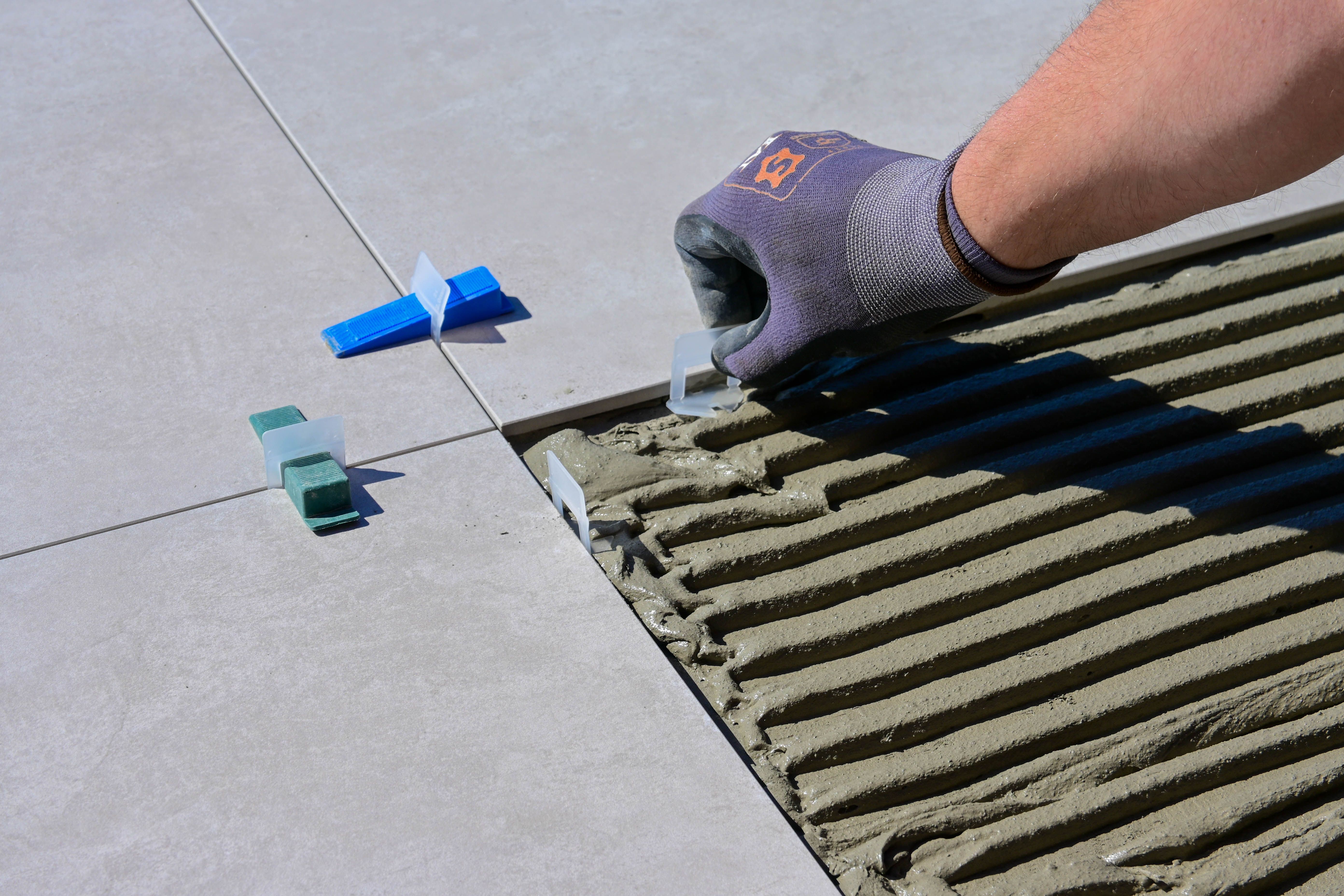
Regardless of whether you choose porcelain or ceramic, professional installation is critical to achieving beautiful, lasting results. Proper substrate preparation, correct thinset mortar selection, appropriate tile layout, professional-grade grout, and careful sealing all depend on installer experience and attention to detail. Installers who skip steps, use low-quality materials, or rush the work will produce disappointing results with both ceramic and porcelain.
At Doxa Flooring Inc, we recommend porcelain for the vast majority of residential projects because it delivers superior performance, requires less maintenance, and lasts longer. We use premium thinset mortar, quality grout, and professional-grade sealers on every project. We take time to prepare substrates properly, plan layouts for visual appeal and function, and never rush the installation process. Our team brings a decade of hands-on tile expertise to every project. Whether you choose porcelain or ceramic, we will install it right.
Ready to start your tile project? Contact Doxa Flooring Inc for a consultation about porcelain and ceramic options for your home. We serve Bradenton, Tampa, Sarasota, Fort Myers, and throughout Southwest Florida. Our team will help you understand the differences, choose the right material for your space, and deliver beautiful, professional installation. Call us or visit our website today for your free estimate and let's bring your tile vision to life.