
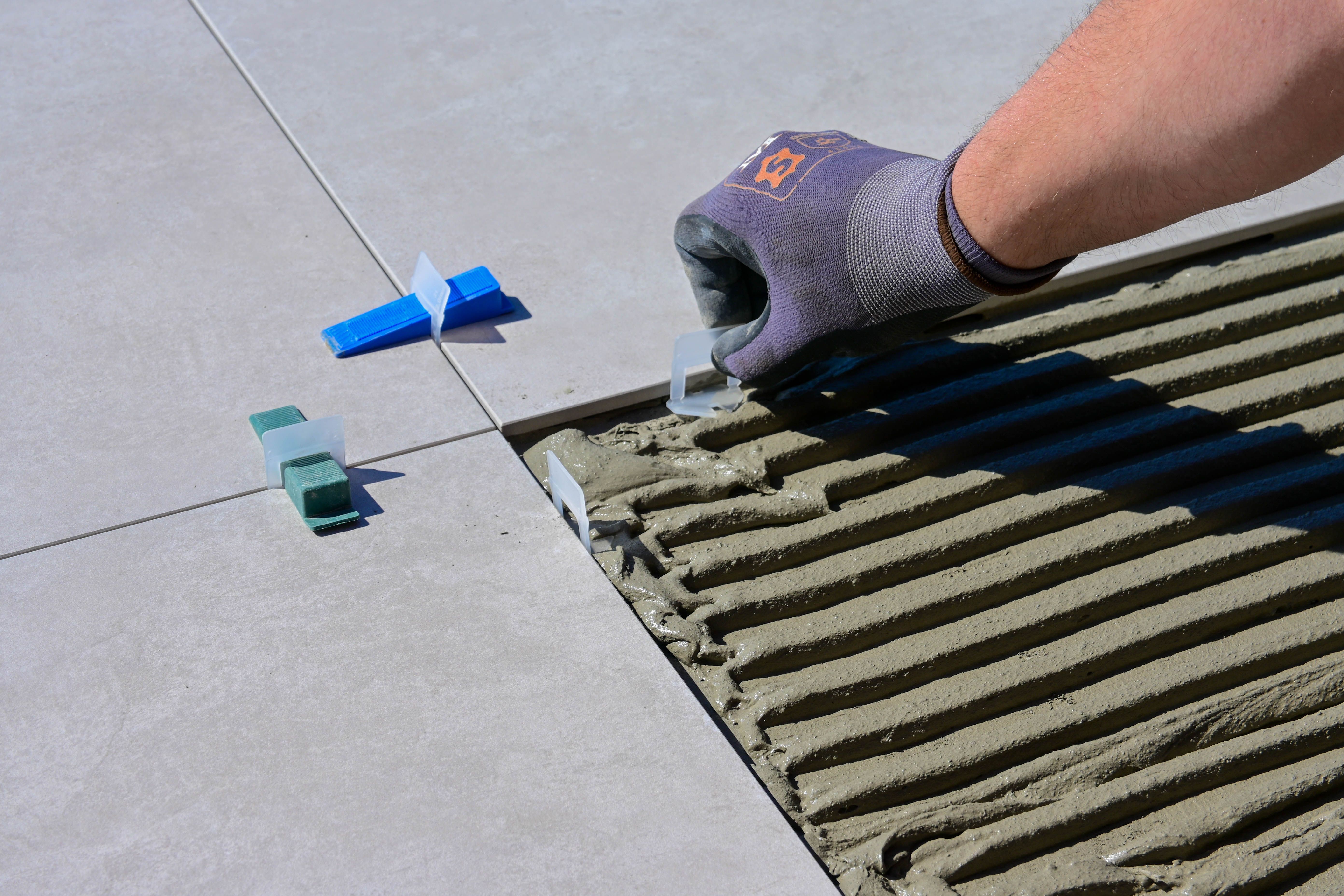
Flooring Subfloor Preparation: Why It Matters Before Installation
Flooring Subfloor Preparation: Why It Matters Before Installation
The visible flooring-the tiles, vinyl planks, or hardwood you see and walk on every day-is only half the story. Beneath it lies the subfloor, and the quality of that subfloor determines whether your new flooring lasts five years or fifty. Many homeowners are shocked when they discover their beautiful new tile floor cracking or settling within months, not realizing that the problem was never the tile itself-it was the subfloor underneath. In Florida, where moisture, humidity, and temperature fluctuations are constant, subfloor quality is non-negotiable. At Doxa Flooring Inc, we've diagnosed and resolved hundreds of subfloor issues across Bradenton, Tampa, and Southwest Florida. This guide explains what subfloors are, why preparation matters, and what you should expect when a professional team prepares your subfloor correctly before installation.
Understanding Subfloors: The Foundation of Quality Flooring
The subfloor is the structural layer beneath your visible flooring. In most homes, the subfloor is either plywood, oriented strand board (OSB), or concrete, depending on whether the room is above a living space, above a crawlspace, or on a slab-on-grade (direct-to-ground). The subfloor serves three critical functions: it provides structural support for the flooring material and whatever rests on it (furniture, people, equipment), it allows for proper fastening and adhesion of flooring materials, and it manages moisture to prevent water damage to the home's structure.
Concrete subfloors, common in Florida due to our proximity to sea level and high water tables, present unique challenges. Concrete is porous and constantly wicks moisture from the ground. In Florida's humid climate, concrete can remain damp even when it appears dry to the touch. This moisture wicking is invisible but devastating-it causes tile adhesive to fail, vinyl to cup and bubble, and grout to degrade. Concrete subfloors in Florida absolutely must be tested for moisture content before any flooring is installed.
Plywood and OSB subfloors, found in homes with wood-frame construction above crawlspaces or second floors, are more forgiving than concrete but still vulnerable to moisture. If a plywood subfloor is exposed to standing water, humidity, or plumbing leaks, it swells, warps, and deteriorates. Once plywood is compromised, the flooring installed on top of it will crack, settle unevenly, and eventually fail.
The key point: a subfloor is not just something underneath your flooring. It is a critical structural and moisture-management system that demands proper assessment and preparation before anything is installed on top of it.
Common Subfloor Problems in Florida Homes
Florida's climate and construction environment create specific subfloor challenges that homeowners rarely anticipate. Moisture is by far the most common issue. Concrete slabs in Florida almost always have some degree of moisture rising from the ground beneath. Without proper testing and moisture barriers, this moisture migrates into new flooring materials, causing failure within months. We have seen tile floors that appeared perfect on day one developing cracks and movement within six months purely due to unmanaged subfloor moisture.
Unevenness is another frequent problem. Concrete slabs settle unevenly, and older plywood subfloors often have sections that have warped or rotted without the homeowner's knowledge. When new flooring is installed on an uneven subfloor, the visible result is lippage (tiles or planks at different heights), cracking from stress concentration, and premature wear. What looks like a flooring installation failure is actually a subfloor preparation failure.
Inadequate fastening or deteriorated existing flooring creates a third category of problems. If old flooring is not properly removed or if the subfloor beneath has loose fasteners, the new flooring has an unstable foundation. Any movement in the subfloor translates into movement in the new flooring, leading to cracking or separation of grout joints.
Structural damage from water intrusion or pest damage is less common but catastrophic when present. Plywood subfloors affected by termite damage or prolonged water exposure lose structural integrity entirely. A professional assessment catches these issues before flooring is installed; attempting to install flooring over a compromised subfloor is a recipe for expensive failure.
Subfloor Testing and Assessment Procedures
Professional flooring contractors perform several tests before recommending subfloor preparation procedures. Moisture testing is the most critical. For concrete subfloors in Florida, we use calcium chloride testing or relative humidity testing to determine whether moisture content is within acceptable ranges (typically below 3-4% for most flooring installations). If moisture levels exceed acceptable thresholds, we recommend moisture barriers, epoxy sealing, or moisture mitigation systems before any flooring is installed.
Visual and tactile assessment evaluates whether the subfloor is level, intact, and free of active damage. We use a long straightedge to identify high and low spots that exceed the tolerance for the flooring material being installed (typically a quarter-inch variation over 10 feet for tile). We inspect for soft spots, signs of water damage, or evidence of pest activity. We also assess fastening integrity-loose nails or screws indicate a subfloor that needs reinforcement before flooring installation.
Tap testing and visual inspection of existing flooring can indicate whether old flooring is properly bonded to the subfloor. Hollow sounds or obvious gaps suggest that the old flooring may separate further or that the subfloor has deteriorated beneath. Professional contractors know when existing flooring must be removed versus when it can serve as an adequate base for new installation.
In kitchens, bathrooms, and other moisture-prone areas, we also assess whether the subfloor has waterproofing membranes or whether sloped substrates exist to manage water drainage. Missing waterproofing is a red flag that preparation work is needed before water-exposed flooring is installed.
Subfloor Preparation Methods and Solutions
Once assessment is complete, subfloor preparation varies based on what the testing reveals. For concrete subfloors with high moisture content, moisture mitigation is the priority. We may apply moisture barrier coatings, epoxy sealers, or moisture-resistant underlayments designed to block water wicking. In extreme cases, we recommend moisture barriers with vapor reduction systems that actively dry the concrete before flooring installation. While this adds time and cost upfront, it prevents catastrophic failures later.
For uneven concrete subfloors, we use self-leveling underlayments-liquid compounds that flow across the concrete surface and cure to a perfectly level plane. This is far superior to grinding or troweling, which creates dust and is labor-intensive. Self-leveling compounds are fast, precise, and create an ideal substrate for tile, vinyl, or any other flooring material.
For plywood subfloors, preparation includes removing old flooring, fastening any loose sections, and replacing any compromised wood. If the plywood has warped or settled, we may recommend sister joists (adding reinforcing members beneath) or grinding out high spots. In Florida, we also recommend installing moisture barriers beneath new plywood to prevent moisture absorption from below.
For rooms with active water intrusion or plumbing issues, we address the underlying water problem before any flooring preparation occurs. No subfloor preparation will succeed if water is still actively entering the space. This may involve exterior drainage improvements, interior waterproofing membranes, or plumbing repairs-all prerequisites to flooring installation.
Waterproofing in Water-Exposed Spaces
Bathrooms, kitchens, and laundry rooms demand subfloor waterproofing regardless of subfloor material. Standard plywood is not waterproof and will rot if exposed to chronic moisture. Even concrete can transmit water from showers or splashes through grout to the spaces beneath.
In bathrooms and shower areas, we install waterproofing membranes rated for wet environments. These may be sheet membranes, liquid-applied membranes, or specialized waterproofing products designed to bond to plywood, concrete, or existing tile. Membrane installation is a skilled trade-improper application leaves gaps or weak seams that water exploits.
Shower pan installations deserve specific attention. A properly constructed shower pan-with correctly sloped substrate, full waterproofing membrane, weep holes, and proper drain integration-protects not just the shower floor but the structural elements beneath the bathroom. Poor shower pan construction has resulted in extensive water damage and mold in thousands of homes. Professional waterproofing done correctly during subfloor preparation prevents these disasters.
Timeline and Cost Implications of Subfloor Preparation
Subfloor preparation adds time and cost to any flooring project, and homeowners should anticipate this from the start. A simple residential project with a concrete subfloor requiring only moisture testing and light leveling might add 2-3 days and a few hundred dollars. A complex project with high moisture levels, multiple moisture mitigation systems, and waterproofing requirements might add 5-7 days and a thousand dollars or more.
These costs are investments, not expenses. A properly prepared subfloor guarantees that your flooring installation will perform as designed and last decades rather than years. The cost of subfloor preparation is infinitesimal compared to the cost of replacing failed flooring after only 5-7 years or remediating structural water damage. We always recommend transparent conversations about subfloor work upfront so homeowners understand what's happening beneath the surface and why it matters.
Partnering with Professionals: Why DIY Subfloor Work Fails
Subfloor assessment and preparation require professional expertise and specialized tools. Homeowners attempting DIY flooring installation often skip or shortcut subfloor preparation, believing that once the old flooring is removed, the project is ready to proceed. This is a dangerous assumption. Without proper testing, moisture management, and leveling, new flooring fails predictably and expensively.
When you partner with Doxa Flooring Inc, our team handles complete subfloor assessment, testing, and preparation as part of our professional installation service. We take responsibility for the entire system-substrate and finish-not just the visible flooring. This holistic approach is why our installations perform reliably across Tampa Bay and Southwest Florida, even in the challenging moisture conditions Florida creates.
If you're planning a flooring project-whether new construction, renovation, or simple replacement-start with a professional subfloor assessment. Contact Doxa Flooring Inc today to schedule a consultation. We'll evaluate your subfloor conditions, discuss what preparation is needed, provide transparent pricing, and deliver an installation built to last.