
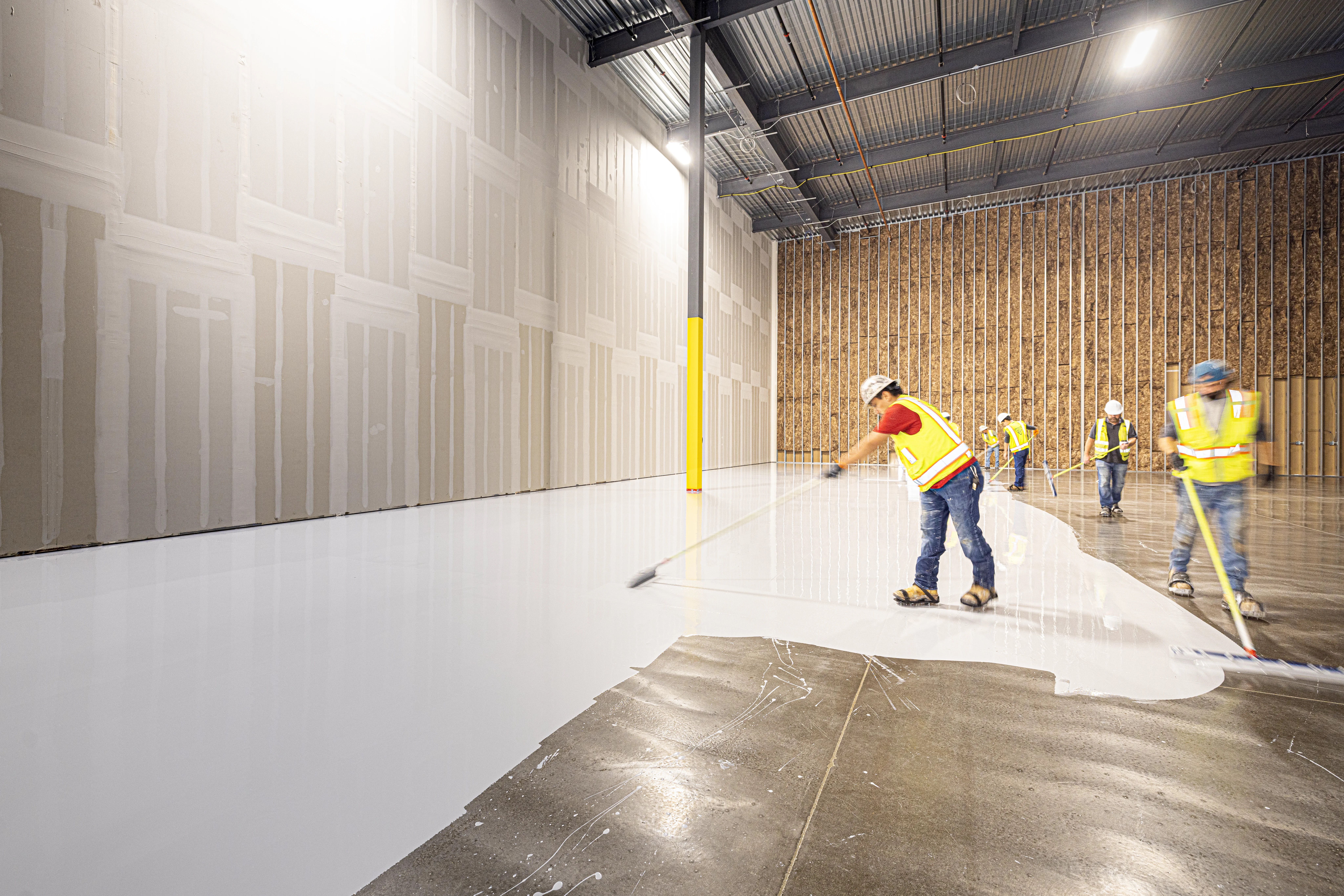
Flooring Installation for Commercial Spaces: Durability & ROI
Flooring Installation for Commercial Spaces: Durability & ROI
Commercial flooring faces demands that residential floors never encounter. In a retail environment, you might have foot traffic from hundreds of people daily. In a restaurant, you're contending with spills, grease, moisture, and heavy equipment. In an office or medical facility, hygiene and durability are non-negotiable. Choosing the right commercial flooring and partnering with an experienced commercial flooring contractor makes the difference between an installation that lasts five years and one that delivers returns for two decades. Doxa Flooring Inc has completed over 150 commercial projects across Tampa Bay, Bradenton, and Southwest Florida, and we understand exactly what commercial spaces demand. This guide explores commercial flooring options, the unique challenges of commercial installation, and how to maximize your flooring investment's ROI.
Commercial Flooring Materials: Comparing Performance and Cost
Commercial flooring options break down into several primary categories, each with distinct advantages and limitations. Understanding these options is essential to choosing flooring that aligns with your space's actual use and your budget constraints.
Polished concrete is popular in retail, warehouses, and industrial spaces because it is durable, easy to clean, and requires minimal ongoing maintenance. Polished concrete is less expensive than tile or luxury vinyl and can last indefinitely if properly sealed and maintained. The downside is that concrete can feel cold and industrial-ideal for some businesses but not appropriate for customer-facing hospitality or professional offices.
Commercial-grade vinyl plank flooring (LVP) has become dominant in commercial spaces over the past decade. It is waterproof, affordable, easier to install than tile, and available in unlimited styles that mimic wood, stone, or abstract patterns. Vinyl also offers superior sound dampening compared to hard flooring, making it popular in offices and healthcare facilities. Commercial vinyl is engineered for high traffic and is rated in terms of AC rating, which indicates durability. AC3 vinyl is suitable for light to moderate commercial traffic, while AC5 is designed for heavy commercial use.
Ceramic and porcelain tile remain the gold standard for restaurants, kitchens, wet environments, and spaces where hygiene is critical. Tile is non-porous (especially porcelain), waterproof, and easiest to sanitize. Tile also tolerates aggressive cleaning protocols and chemical disinfectants that would damage vinyl or wood. The trade-off is that tile is more expensive to install, and grout requires maintenance and periodic resealing.
Luxury vinyl composition (LVT) and rigid core vinyl (SPC) are newer engineered products offering superior stability and durability compared to traditional LVP. These products are dimensionally stable across wide temperature ranges, making them ideal for commercial spaces with heavy HVAC demands or outdoor-exposed environments. Rigid core products are also easier for professional installers to work with on large-scale projects.
Design Considerations for Commercial Spaces
Commercial flooring design is not purely aesthetic; it's functional. Color, pattern, and finish all impact how the space feels and performs over time. In retail environments, flooring is part of your brand identity. A luxury boutique demands different flooring than a casual restaurant, which demands different flooring than a professional medical office.
Light-colored flooring makes spaces feel larger and brighter, but it shows dirt and stains more readily than darker finishes. This is particularly important in high-traffic retail or restaurants where appearance directly influences customer perception. Dark or mid-tone flooring is more practical in these environments because it masks dirt and requires less frequent cleaning-an operational cost saving that compounds over years.
Matte finishes are safer than glossy finishes in commercial spaces because they reduce slip risk and hide dust and water marks. Glossy flooring looks spectacular when pristine but becomes a liability liability in wet environments or high-traffic areas. Textured or micro-textured finishes provide traction while remaining easy to clean.
Pattern selection matters for both aesthetics and practical maintenance. Uniform patterns hide dirt and provide a clean, modern aesthetic. Busy patterns or stone-look tiles that mimic natural variation can be more forgiving of dust and maintenance shortfalls, but they may read as dated or fussy in professional settings. Consider your brand image and operational capacity for maintenance when selecting pattern.
Installation Challenges in Commercial Environments
Commercial flooring installation is exponentially more complex than residential work. Large commercial spaces require special substrate preparation to ensure proper drainage and prevent moisture issues that can compromise the entire installation. In restaurants, kitchens, and wet-environment spaces, waterproofing and sloped substrates are essential to channel moisture away from structural elements.
Commercial projects also demand coordination with other trades and strict scheduling adherence. A medical office cannot have its waiting area torn apart for three weeks; the installation must be completed efficiently and on time. Restaurants may need installation to occur outside operating hours, requiring teams to work evening and night shifts. Retail spaces need installations timed to avoid business disruption or loss of holiday season revenue.
Subfloor conditions in commercial buildings often present surprises. Older buildings may have asbestos flooring or adhesives that require professional abatement before new flooring can be installed. Concrete subfloors may have moisture issues, cracks, or settlement requiring remediation. HVAC and plumbing systems add complexity and limit where seams can be placed or what adhesives can be used. A professional commercial flooring contractor like Doxa has the expertise to identify and manage these challenges proactively, avoiding costly delays or material waste.
Maintenance and Lifecycle Costs: The Real ROI Calculation
Many business owners select flooring based solely on material cost, but that's a short-sighted calculation. True ROI requires evaluating total lifecycle cost-initial installation, daily maintenance, repair frequency, and eventual replacement.
Polished concrete, for example, is inexpensive to install but requires professional maintenance (polishing, sealing) every 12-24 months to maintain appearance and durability. A sealed concrete floor is extremely easy to clean daily-just sweep and mop-which reduces labor costs. Over a 10-year lifecycle, concrete may be the most economical choice in warehouses or industrial spaces.
Commercial vinyl plank is affordable to install and requires only regular sweeping and mopping for maintenance. No sealing, no special treatments. Vinyl's simplicity translates to lower ongoing labor costs and predictable performance. If your business cannot absorb high capital costs upfront, vinyl offers a favorable cost profile.
Tile is more expensive to install but is virtually indestructible and requires no special treatments beyond regular cleaning. A tile floor installed today will likely outlast your business occupancy in that space. The downside is labor-intensive maintenance (grout cleaning, potential stain removal). If your business can invest capital upfront and your operation tolerates the maintenance requirements, tile delivers exceptional long-term value.
Factor in downtime during replacement. If your floor will need replacement in 7 years, you're looking at operational disruption and material costs spread across multiple replacement cycles. A floor that lasts 20 years eliminates that recurring disruption and cost. From a strategic business perspective, flooring that lasts longer typically represents superior ROI, even if the upfront cost is higher.
Working with a Commercial Flooring Contractor
Selecting the right flooring contractor is as important as selecting the right flooring material. Your contractor must have experience completing projects of your scope and complexity, references from similar commercial clients, and the operational capacity to schedule your project around your business needs.
Ask prospective contractors about their experience with your specific industry. A contractor experienced in restaurant installations understands grease removal, slope requirements, and drainage systems. A contractor experienced in medical offices understands hygiene standards and infection control requirements. A contractor experienced in retail knows how to work efficiently to minimize business disruption.
Verify that your contractor carries appropriate insurance and licensing. Commercial projects often require performance bonds and proof of insurance naming your organization as additional insured. Legitimate commercial flooring contractors are accustomed to providing these documents without hesitation.
Get detailed timelines and understand the installation sequence. Ask how your business will remain operational during installation, what hours your contractor will work, and what guarantees they provide. Professional commercial contractors offer warranties on materials and labor and are transparent about what is and isn't covered.
Getting Started: Next Steps
If your commercial space needs flooring installation or replacement, the first step is a professional site assessment. A qualified contractor will evaluate your current conditions, understand your operational needs, discuss material options aligned with your budget and aesthetic vision, and provide a detailed proposal with timeline and warranties.
Doxa Flooring Inc has installed commercial flooring in retail stores, restaurants, medical offices, gyms, corporate offices, and hospitality spaces throughout Tampa Bay and Southwest Florida. We pride ourselves on schedule adherence, transparent pricing, and installations that perform beautifully for years. If you're ready to invest in flooring that balances cost, durability, and performance, contact Doxa today for a free commercial flooring consultation.